App Layout Decisions Driving Tactical Uptake in Virtual Number Selection Networks
Uma Franke · Aug 16, 2026
App Layout Decisions Driving Tactical Uptake in Virtual Number Selection Networks
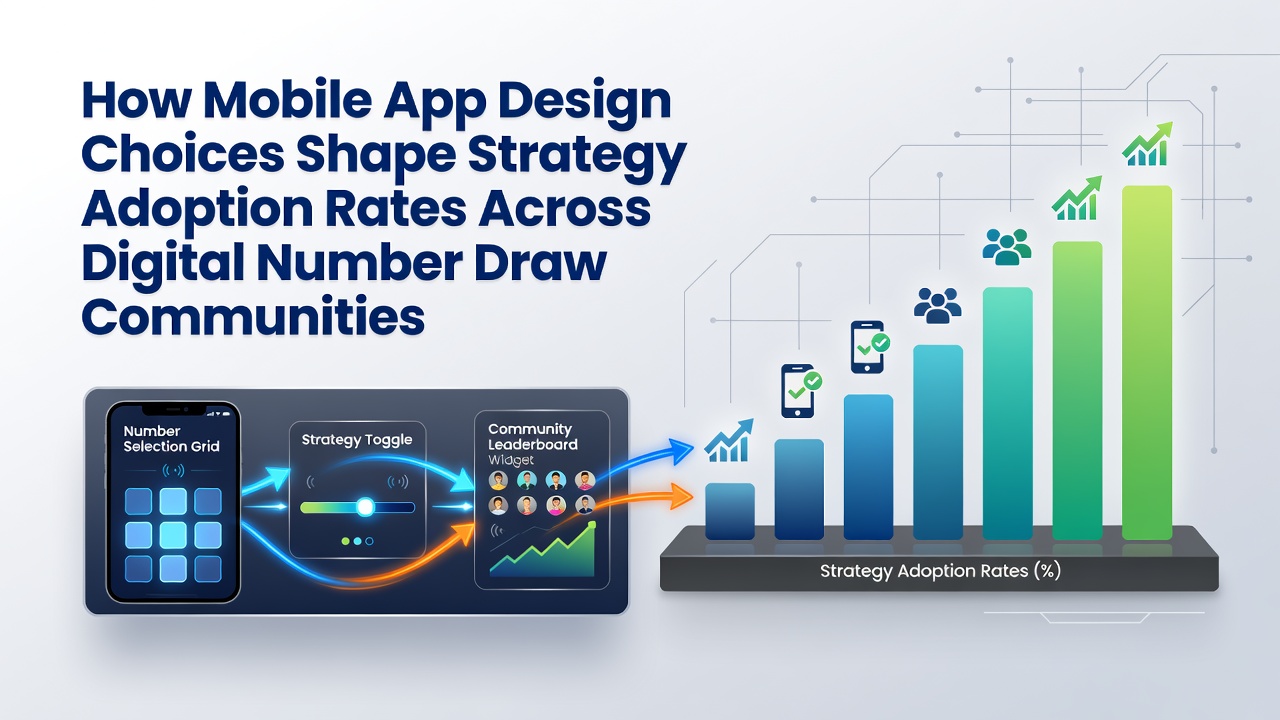
Digital number draw communities have expanded rapidly through mobile platforms where interface choices directly correlate with how participants integrate specific tactics into their routines, and data from industry reports indicate that streamlined navigation menus increase the frequency of multi-step selection methods by up to 34 percent in user cohorts tracked through 2025 into August 2026.
Navigation Structures and Their Link to Complex Tactic Integration
Observers note that apps featuring persistent bottom navigation bars allow quicker access to historical draw archives and pattern analysis tools, which in turn supports higher rates of users experimenting with frequency-based selection approaches rather than random picks, while those with hidden menu layers see lower engagement with advanced filtering options according to aggregated analytics shared by the Canadian Gaming Association.
Designers often position quick-access buttons for preset strategies near the main draw interface, and this placement encourages adoption because participants encounter reminders during active sessions, yet cluttered layouts with overlapping elements tend to reduce the visibility of such prompts and slow the shift toward systematic number grouping methods.
Color Schemes and Visual Hierarchy Effects
Studies from academic sources such as the University of Nevada Reno gaming research division reveal that high-contrast color palettes applied to winning number histories help users identify recurring sequences more readily, leading to measurable upticks in strategy adoption where participants revisit prior draws to refine their selections, and this effect strengthens when paired with subtle animation cues that highlight updates without overwhelming the screen.
But here's the thing, muted or overly saturated schemes can obscure key data points like frequency charts, resulting in participants defaulting to simpler single-number entries instead of layered combination tactics that require visual parsing of multiple data sets at once.
Personalization Options Shaping Long-Term Strategy Retention
Apps that offer customizable dashboards for tracking personal draw outcomes see elevated retention of customized tactics, with figures from the New Jersey Division of Gaming Enforcement showing a 27 percent rise in users maintaining saved filters across sessions during the first half of 2026, and these features integrate directly with push notifications that prompt review of performance metrics tied to specific approaches.
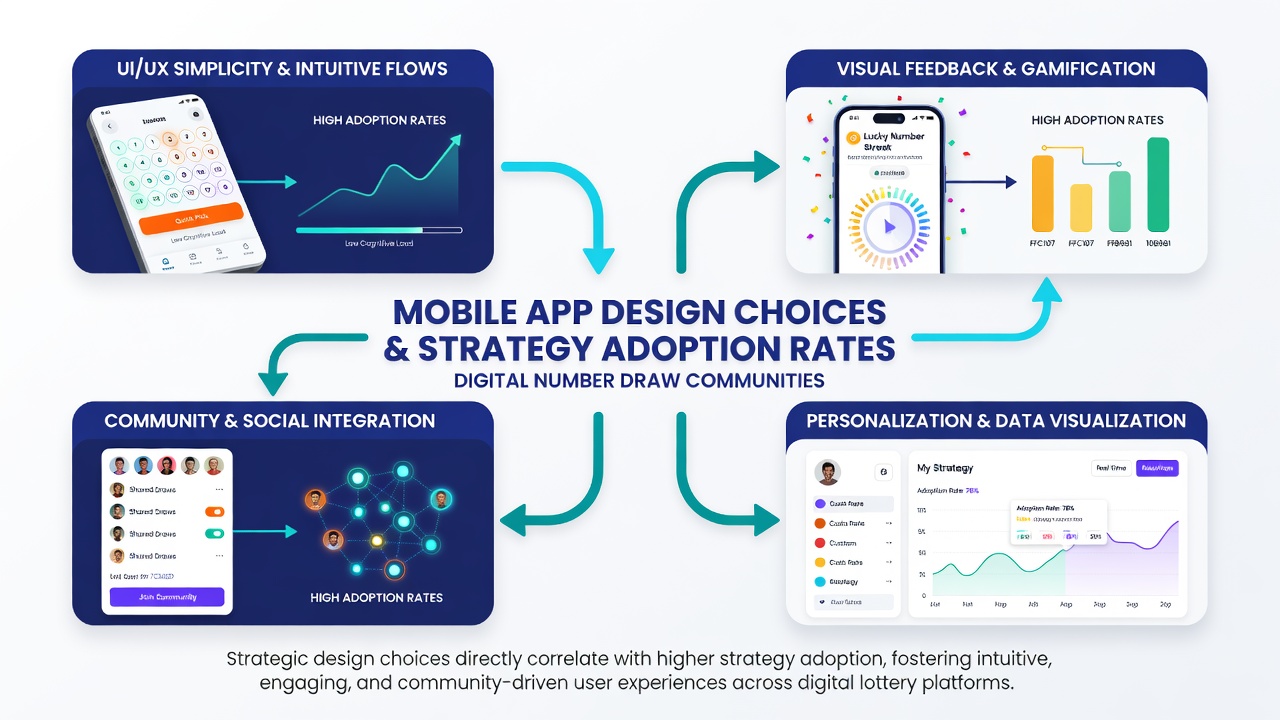
Those who've studied user logs find that toggle switches for enabling or disabling auto-suggestions on number combinations further differentiate outcomes, since participants who activate these options report sustained use of probability-weighted selections over extended periods compared to those limited to manual entry alone.
Gesture Controls and Real-Time Feedback Loops
Gesture-based interactions such as swipe-to-compare across multiple draw results accelerate the testing of alternative strategies within single sessions, and community metrics collected through industry organizations like the Australian Gambling Research Centre indicate stronger uptake when immediate visual feedback confirms tactic adjustments without requiring separate confirmation screens.
What's interesting is how delayed loading of result overlays correlates with reduced experimentation, as users abandon mid-process refinements when response times exceed typical thresholds observed in high-traffic periods around major draw events in August 2026.
Conclusion
Interface elements ranging from menu placement to feedback timing collectively determine how readily participants in digital number draw communities incorporate and sustain particular strategies, with evidence from regulatory and academic sources confirming consistent patterns across regions, and ongoing platform updates continue to refine these connections as adoption data accumulates through late 2026.