Capital Structures and Operational Choices in Portable Live Jackpot Bingo Systems
Zoe Becker · May 29, 2026
Capital Structures and Operational Choices in Portable Live Jackpot Bingo Systems
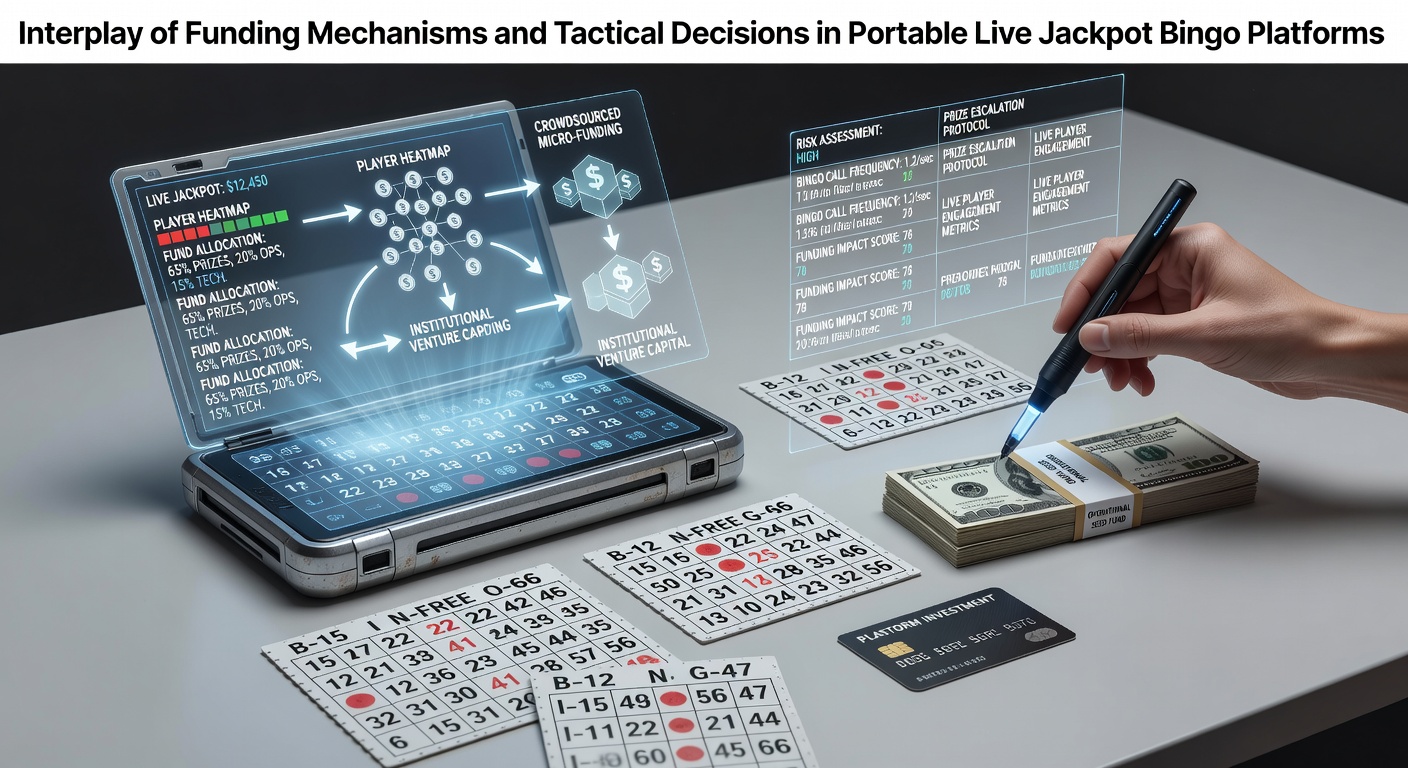
Funding mechanisms in portable live jackpot bingo platforms combine player contributions with operator seed capital and progressive allocation pools while tactical decisions determine how those resources get deployed across mobile networks and live dealer environments. Operators allocate portions of each ticket purchase directly into growing jackpot funds and maintain separate reserves to guarantee minimum payouts even when participation remains low. Research from the American Gaming Association shows that these layered capital structures influence everything from session length algorithms to promotional timing across different jurisdictions.
Player Contributions and Progressive Pools
Each portable bingo ticket carries a fixed contribution percentage that feeds the live jackpot while a smaller slice supports operational costs and regulatory fees. Platforms adjust contribution rates based on historical participation data collected from mobile sessions conducted during peak hours in various time zones. When contribution rates rise operators often shorten game rounds to maintain player engagement levels and prevent pool stagnation during slower periods. Data collected through May 2026 indicates that platforms operating in regulated North American markets maintained average contribution rates between 8 and 12 percent of ticket value with adjustments made quarterly according to participation trends.
Operator Seed Funding and Risk Management
Operators provide initial seed amounts that establish baseline jackpot levels before player contributions begin accumulating and these seeds function as guaranteed minimums that protect platform credibility. Tactical choices emerge when operators decide whether to increase seed sizes to attract higher-volume players or maintain lower seeds while relying on rapid contribution growth from mobile traffic spikes. Risk models used by platform managers incorporate volatility calculations derived from live session data across multiple device types and connection speeds. Those models help determine optimal seed thresholds that balance marketing appeal against capital exposure during periods of fluctuating participation.
Mobile Optimization and Decision Timing

Platform teams coordinate funding release schedules with mobile push notification campaigns that alert users to approaching jackpot thresholds or special live rounds. Tactical decisions involve selecting specific hours for high-stakes games based on traffic patterns observed in different geographic regions and device categories. When funding pools reach predetermined levels operators trigger additional live dealer sessions or extend mobile access windows to maximize participation before the next reset cycle begins. These timing choices directly affect how quickly contributions replenish the pool and how operators manage reserve capital across concurrent mobile and desktop environments.
Regulatory Influences on Capital Allocation
Regulatory frameworks in multiple regions require transparent reporting of jackpot funding sources and mandate minimum reserve levels that operators must maintain at all times. In May 2026 several Canadian provincial gaming authorities updated compliance guidelines that require quarterly audits of progressive pool calculations and seed funding documentation. Platforms adjust tactical approaches to live game scheduling and mobile feature releases in response to these reporting requirements while ensuring contribution percentages remain within permitted ranges. Similar oversight structures exist in Australian state jurisdictions where funding transparency reports influence how operators present jackpot growth information to mobile users.
Integration of Live Features with Funding Models
Live dealer integration adds another layer of complexity because operators must allocate additional resources for real-time streaming infrastructure while maintaining jackpot pool integrity across all connected mobile devices. Tactical decisions include determining camera angles, interaction frequency, and bonus round triggers that encourage continued ticket purchases without depleting the progressive fund prematurely. Platforms that synchronize live events with incremental funding releases tend to sustain longer player sessions according to aggregated session data compiled by independent research organizations. These integrations require precise coordination between capital management systems and live production schedules to avoid mismatches between displayed jackpot amounts and actual available funds.
Conclusion
The relationship between funding mechanisms and tactical decisions in portable live jackpot bingo platforms continues to evolve as operators refine capital allocation models and mobile delivery strategies. Regulatory updates and participation data collected through 2026 demonstrate how adjustments in contribution rates, seed funding levels, adn live event timing interact to shape platform performance across different markets. Observers note that successful systems maintain clear separation between operational reserves and progressive pools while using real-time mobile analytics to inform scheduling and promotional choices. This ongoing coordination supports sustainable jackpot growth while meeting compliance standards established by regional authorities.