Digital Payment Protocols Aligning with Progressive Reward Systems in Niche Bingo Environments
Hugo Weber · Jun 5, 2026
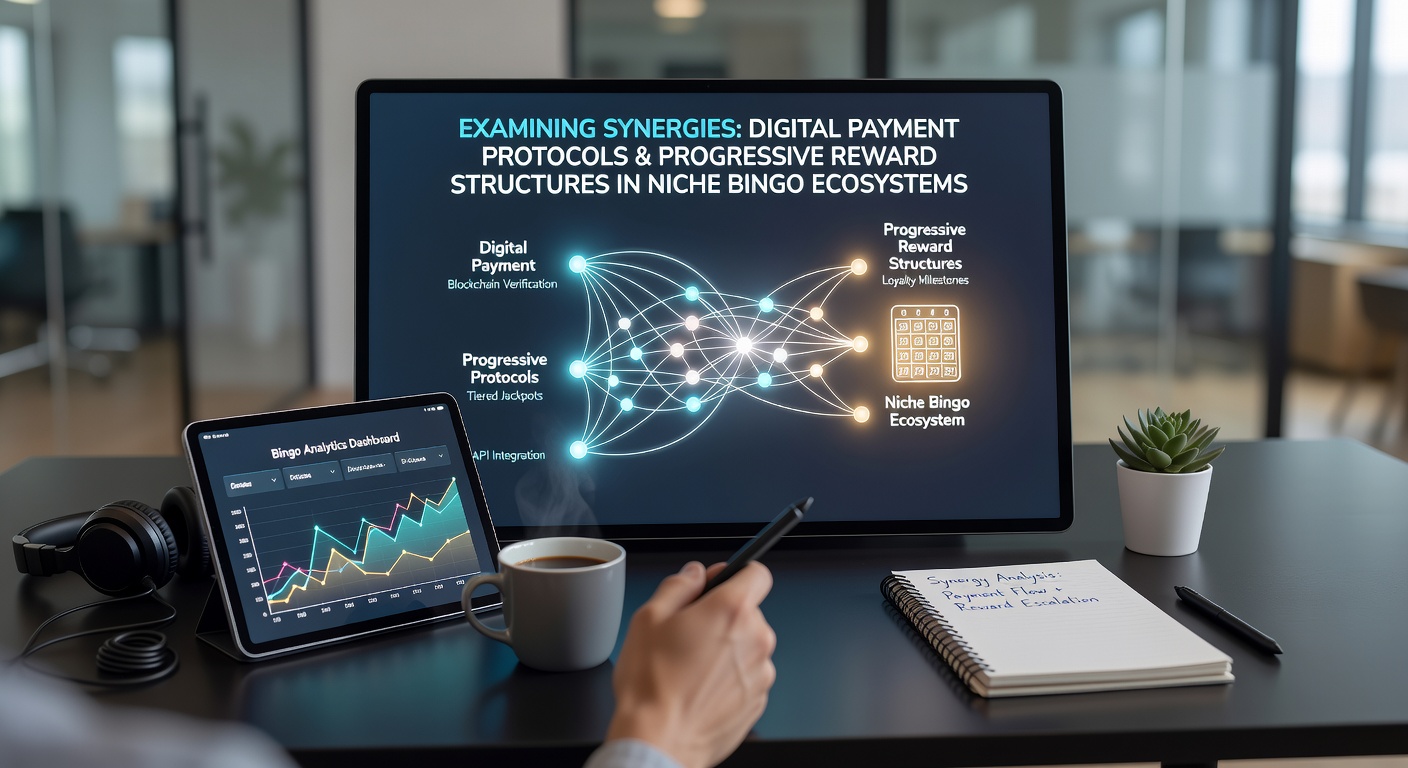
Digital Payment Protocols Aligning with Progressive Reward Systems in Niche Bingo Environments
Specialized bingo platforms have begun integrating digital payment protocols with progressive reward systems to create operational efficiencies that observers note in several regional markets, and these integrations rely on secure transaction layers that support incremental reward accumulation across player sessions. Payment methods such as instant bank transfers and tokenized digital wallets connect directly to reward ledgers where jackpot pools and loyalty multipliers advance in real time while maintaining compliance records that regulatory bodies require.
Payment Protocol Foundations in Targeted Bingo Networks
Digital payment frameworks used in niche bingo ecosystems incorporate API-driven connections that allow seamless movement of funds between player accounts and central game servers, whereas older batch processing systems often created delays that interrupted reward progression tracking. Data from industry analyses show that platforms adopting these protocols record higher session continuity rates because players can fund accounts and claim progressive bonuses without leaving the interface, and this continuity supports the layered reward structures that increase payout percentages as participation thresholds are met.
Progressive Reward Mechanisms and Their Data Requirements
Progressive reward structures in these environments track cumulative contributions from multiple game rounds to build escalating prize pools, and the systems depend on accurate transaction timestamps from payment protocols to validate eligibility windows. Researchers have documented how reward multipliers apply to deposits processed through verified digital channels, which in turn feed back into the progressive meter calculations that determine future payout scales across the player base.
Technical Synergies Observed in Practice
One integration pattern involves embedding payment verification tokens within reward distribution algorithms so that each confirmed transaction automatically adjusts the progressive pool size and individual player reward tiers simultaneously, while security protocols prevent duplicate claims or unauthorized adjustments. Industry reports indicate that such combined systems reduce reconciliation errors by streamlining data flows between financial processors and game outcome databases, and this streamlining becomes particularly relevant when platforms expand into new jurisdictions during periods of regulatory updates such as those scheduled for June 2026.
Case examples include regional operators who have linked cryptocurrency settlement rails to loyalty point escalators, allowing players to see reward balances update within seconds of a deposit rather than after manual review cycles. Observers note that these setups maintain audit trails required by oversight agencies, and the trails support both player transparency and operator reporting obligations without adding latency to the progressive reward calculations.

Regulatory and Operational Considerations Across Regions
Agencies such as the iGaming Ontario have outlined standards for transaction integrity that influence how progressive reward systems receive and validate incoming payment data, whereas similar frameworks in other jurisdictions emphasize real-time reporting that digital protocols can satisfy through automated feeds. Operators in these markets often align their internal ledgers so that progressive jackpot contributions are calculated only from cleared transactions, which reduces variance between reported figures and actual fund movements.
Studies conducted by research institutions have examined latency impacts when payment gateways interface with reward engines, and findings show that optimized connections maintain sub-second response times even during peak participation periods when progressive pools grow rapidly. This performance level supports the continuous play cycles that characterize niche bingo communities where players return frequently to monitor and advance their accumulated rewards.
Future Alignment Patterns and Platform Adaptations
Platform developers continue to refine the handoff points between payment confirmation services and progressive reward engines by incorporating machine learning models that predict transaction success rates and adjust reward availability windows accordingly, while preserving the deterministic rules that govern jackpot growth. Reports from trade organizations highlight that these refinements help sustain player engagement metrics because reward notifications arrive in sync with successful deposits rather than after separate processing queues.
Additional examples surface in specialized networks that cater to themed bingo variants, where payment protocols carry metadata tags that trigger specific multiplier paths within the progressive system, and this tagging mechanism allows operators to run segmented promotions without fragmenting the core reward calculation logic. The approach keeps the overall ecosystem coherent even as different player cohorts interact with distinct reward progressions.
Conclusion
Integration between digital payment protocols and progressive reward structures in niche bingo ecosystems rests on precise data exchange standards that support both financial security and reward accuracy, and ongoing platform updates scheduled around mid-2026 reflect continued attention to these connections across multiple regulatory environments. Observers continue to track how these technical alignments influence operational metrics in the sector without altering the fundamental rules that define bingo gameplay itself.