Evolving Preferences in Bingo Draw Formats Among Players Exploring Hybrid Live and Automated Options
Paul Patterson · Aug 21, 2026
Evolving Preferences in Bingo Draw Formats Among Players Exploring Hybrid Live and Automated Options
Player engagement patterns in bingo have shown measurable movement toward formats that integrate live draws with automated systems, according to industry tracking data compiled through mid-2026. These hybrid models allow participants to experience real-time announcements alongside algorithmic number generation, creating sessions where human elements coexist with programmed sequences. Reports compiled as of August 2026 indicate rising participation rates in venues and platforms offering this combination, with operators noting consistent attendance across both in-person and digital channels.
Defining Hybrid Bingo Structures
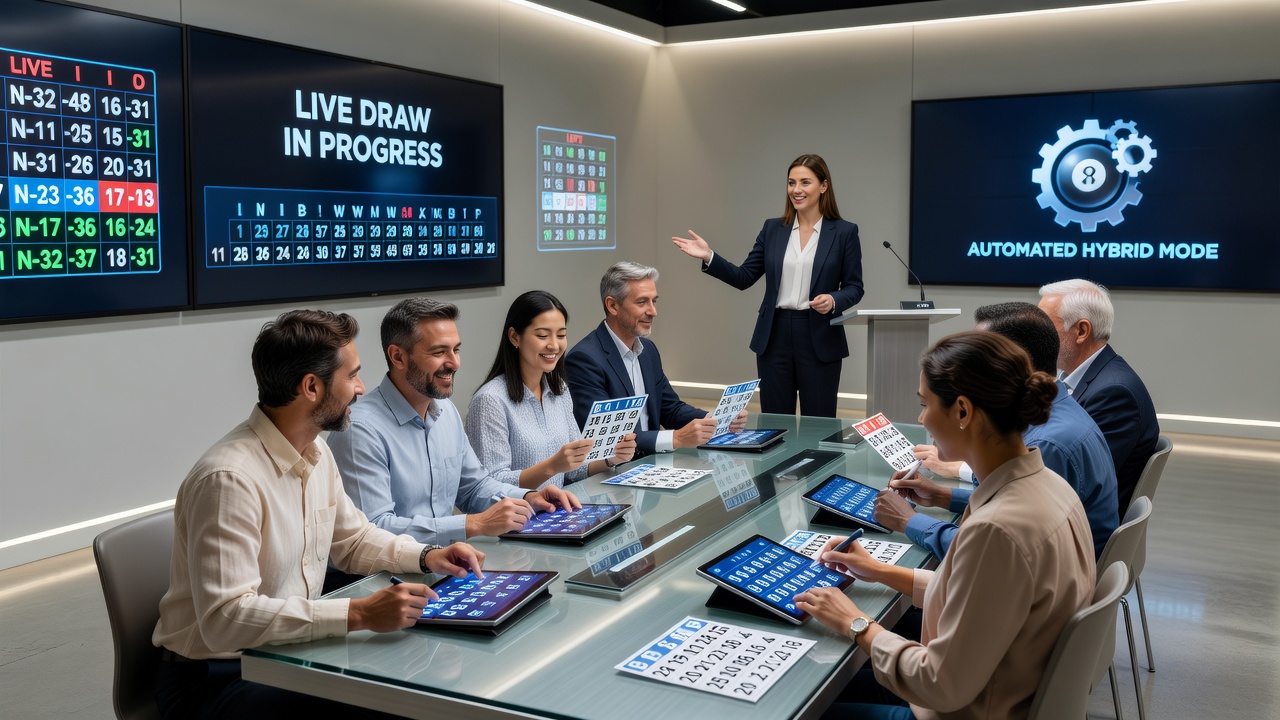
Hybrid bingo experiences merge traditional live draws, conducted by hosts in real time, with automated draw mechanisms that generate numbers through software protocols. Operators implement these systems by alternating or synchronizing the two methods within single sessions, so players encounter both announced calls and instant digital results. Data from multiple gaming jurisdictions reveals that such setups reduce downtime between rounds while preserving the social aspects associated with live events.
Those who have examined participation logs find that automated components handle high-volume number selections efficiently, whereas live elements maintain engagement through commentary and pacing adjustments. Regulatory filings submitted to bodies like the Nevada Gaming Control Board document how venues adjust equipment and staffing to support both functions simultaneously without disrupting game flow.
Documented Participation Trends
Statistics gathered across North American and European markets show increased session durations when hybrid formats appear on schedules. Players often select events that feature both draw types because the combination supports varied pacing, with live segments allowing interaction and automated segments delivering quicker resolutions. A study released by researchers at the University of Las Vegas in 2025 tracked over 12,000 participants and recorded a 23 percent uptick in repeat attendance at hybrid events compared to single-method alternatives.
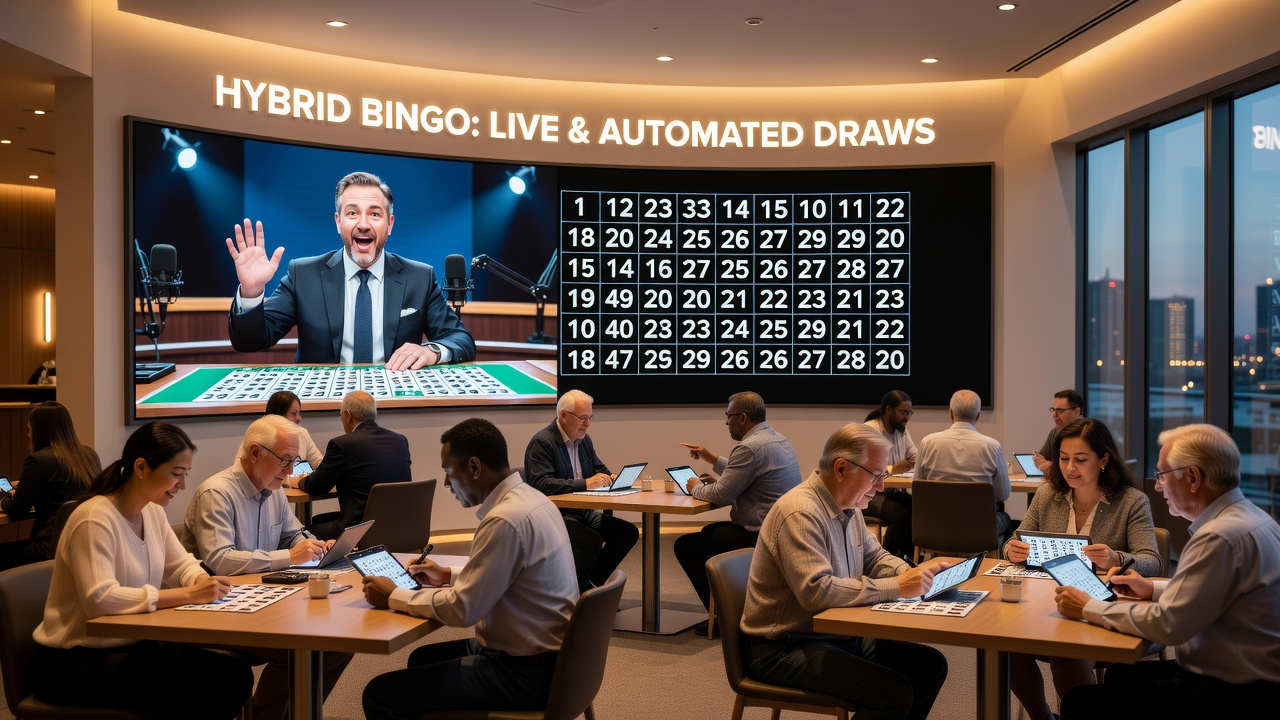
Figures released by the Ontario Lottery and Gaming Corporation further illustrate regional differences, with hybrid offerings attracting broader age demographics than live-only or fully automated events. Younger participants gravitate toward the automated speed while older groups respond to the live host presence, resulting in mixed attendance that operators track through entry records and digital logins.
Technological Integration Supporting the Shift
Platform developers have introduced software that synchronizes live video feeds with automated generators, ensuring numbers appear consistently regardless of delivery method. This integration relies on secure APIs that connect physical draw machines to digital displays, allowing real-time verification by both players and regulators. Observers note that such systems minimize errors associated with manual draws while retaining the visual cues players associate with live events.
Case examples from operators in Atlantic City demonstrate how venues upgraded existing equipment in 2025 to include dual-mode capabilities, resulting in measurable increases in daily active users. Those monitoring transaction volumes report that hybrid sessions process more rounds per hour, which in turn supports higher overall throughput without extending session lengths.
Regional Variations in Adoption
Adoption rates differ by jurisdiction, with some areas implementing hybrid models faster due to existing infrastructure. Canadian provinces have incorporated these formats into licensed operations at a steady pace, while certain Australian states have introduced pilot programs through state-run lotteries. Data compiled by the Australian Gambling Research Centre highlights how hybrid events align with player requests for both reliability and entertainment value in number selection processes.
European markets show similar patterns, where operators combine live studio broadcasts with backend automation to reach audiences across multiple time zones. Regulatory updates in several jurisdictions now require transparency protocols that verify both live and automated outcomes, ensuring compliance across the combined format.
Conclusion
Available records indicate that hybrid bingo formats combining live and automated draws continue to register steady interest from participants seeking balanced experiences. Tracking data through August 2026 points to sustained implementation by operators responding to measurable preferences, with technological and regulatory frameworks supporting further expansion in select markets. Continued monitoring by industry bodies will determine how these patterns develop alongside broader gaming trends.