Examining Influences on Community Engagement in Coordinated Digital Number Broadcasts
Dana Lang · Jul 10, 2026
Examining Influences on Community Engagement in Coordinated Digital Number Broadcasts
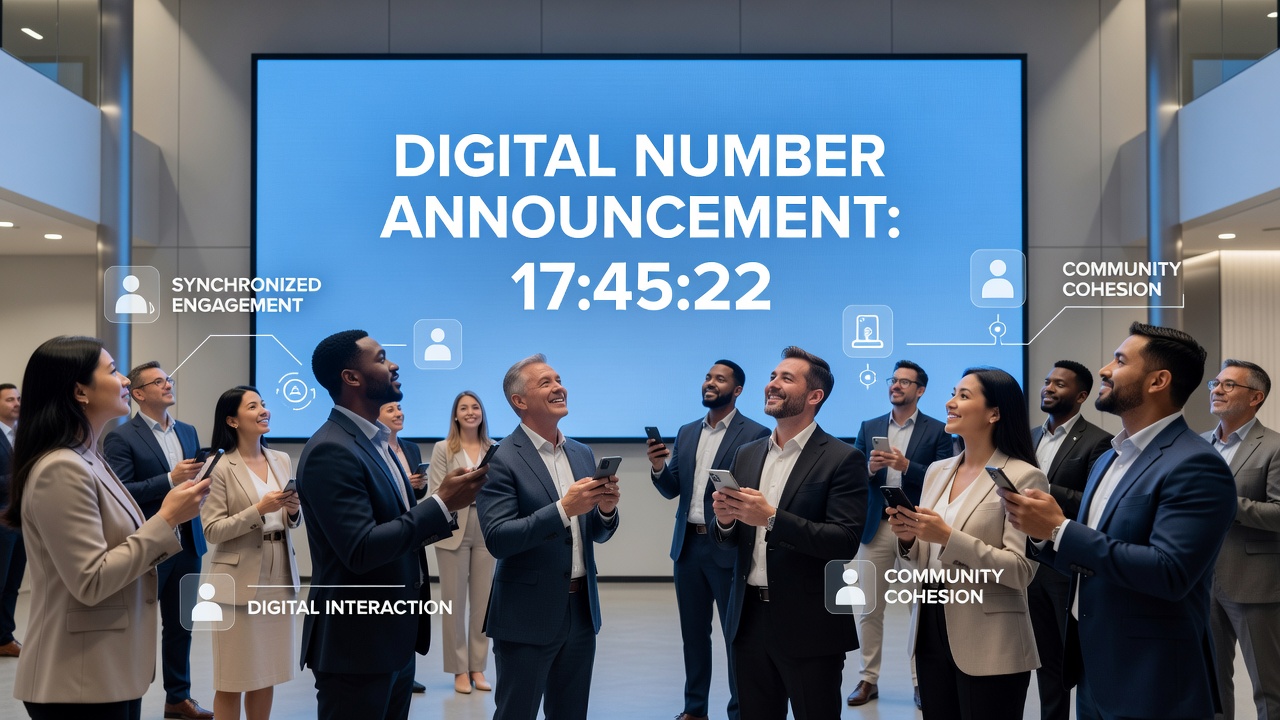
Coordinated digital number broadcasts operate through platforms that deliver simultaneous announcements to multiple users, and researchers have identified several factors that shape how participants form connections during these sessions. Data from industry reports indicate that synchronization timing plays a central role because users receive updates at identical moments which creates shared reference points for interaction. Observers note that when announcement intervals align precisely across devices, participants report higher instances of concurrent responses in chat functions and group features.
Timing Synchronization and Group Formation Patterns
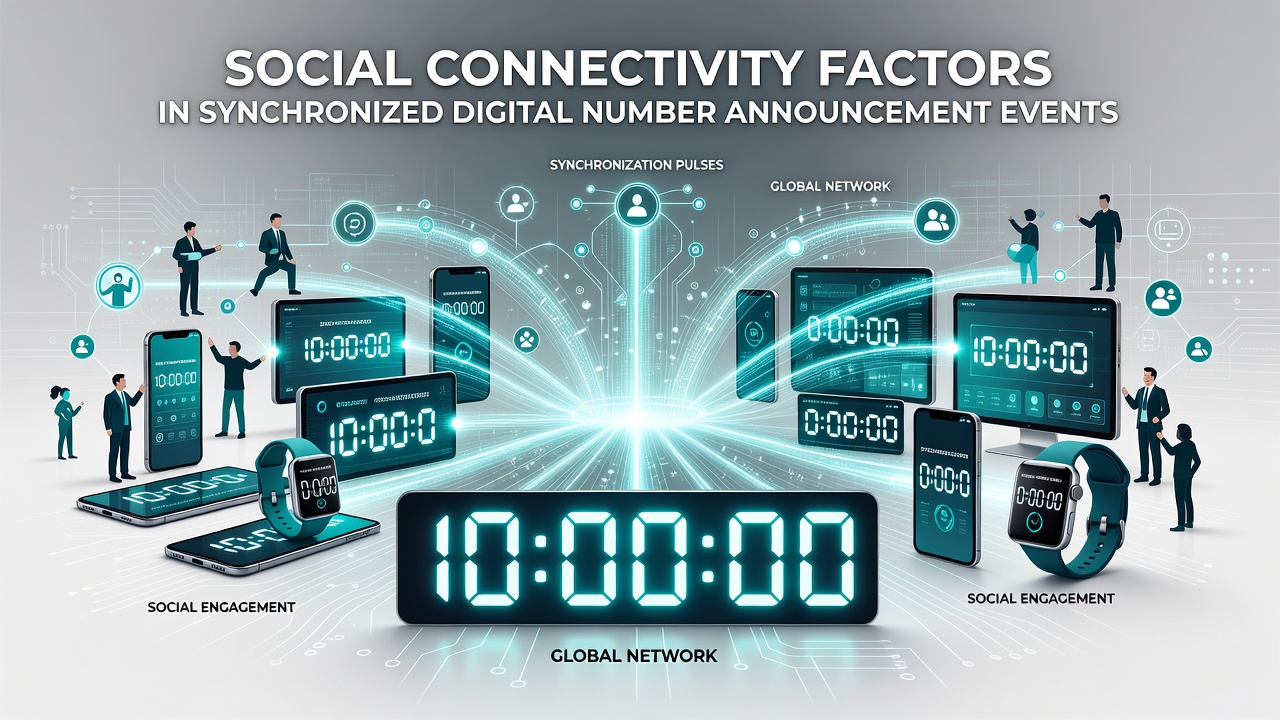
Studies conducted by academic institutions reveal that precise timing mechanisms encourage users to cluster around common events such as number confirmations or sequence completions. Those who've analyzed participation logs find that sessions with sub-second synchronization show increased message exchanges compared to staggered formats. In July 2026 several platforms introduced enhanced latency controls that further reduced delays and data from those updates showed measurable rises in concurrent user activity during peak hours.
People often find that shared visual cues like highlighted numbers appearing together strengthen the sense of collective experience and this effect compounds when multiple users acknowledge the same announcement within short windows. Research indicates these patterns hold across different time zones because the system enforces uniform delivery regardless of location.
Communication Tools and Interaction Density
Built-in messaging systems represent another key factor since they allow immediate reactions to announced numbers. Evidence suggests that platforms offering threaded conversations or reaction emojis see denser interaction networks form among regular participants. A report from the Canadian Gaming Association highlights how integrated voice options in certain regions correlate with longer session durations and repeated group formations.
But here's the thing: not all tools produce equal results because text-based features tend to support broader participation while voice channels often limit groups to smaller subsets. Those studying user behavior note that moderation settings also influence connectivity since clear guidelines reduce disruptions and keep focus on the number announcements themselves.
Participant Scale and Network Effects
Larger participant pools generate more opportunities for incidental connections yet they can also dilute individual visibility. Figures from regulatory filings in various jurisdictions show that mid-sized rooms between 50 and 200 users frequently record the highest per-person interaction rates. Observers note this sweet spot allows enough variety for new pairings while still enabling recognition of recurring usernames.
What's interesting is how recurring events build familiarity over time because users who attend the same scheduled broadcasts develop predictable response patterns. Academic papers on digital social dynamics point to these repeated exposures as foundational for trust signals that extend beyond single sessions.
Device Compatibility and Accessibility Factors
Cross-device functionality affects who can join and maintain presence during announcements. Data shows that mobile-optimized interfaces expand reach to users in transit or shared spaces and this broadens the demographic base for potential connections. The European Gaming and Betting Association published findings in 2025 that linked seamless app integration with higher retention of socially active participants.
Yet accessibility features such as adjustable text sizes or audio alternatives also matter because they allow wider inclusion without fragmenting the synchronized experience. Researchers discovered that when these options integrate smoothly the overall connectivity metrics improve across the board.
Conclusion
Multiple interconnected elements determine how social bonds develop within synchronized digital number announcement environments. Synchronization precision, communication features, participant numbers, and device support each contribute measurable effects according to available studies and operational data. Continued monitoring through industry and academic channels will likely refine understanding of these dynamics as platforms evolve their technical capabilities.