How Tiered Incentive Models Affect Player Retention in Synchronized Digital Drawing Events
Hugo Weber · Jul 19, 2026
How Tiered Incentive Models Affect Player Retention in Synchronized Digital Drawing Events
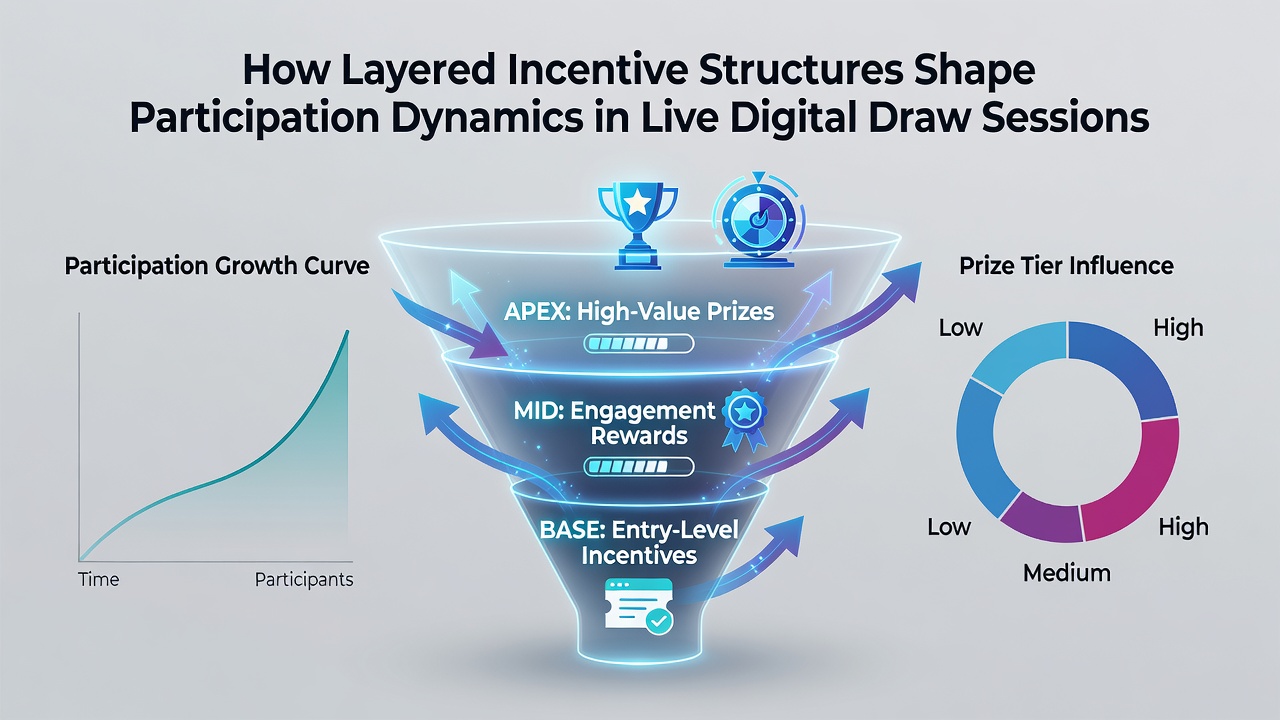
Layered incentive structures combine entry-level rewards with escalating benefits that unlock at higher participation thresholds, and these models appear across live digital draw platforms where real-time number selections occur. Data from industry monitoring services indicates that operators deploy points systems, multiplier bonuses, and milestone credits to encourage repeated logins during scheduled broadcast windows.
Researchers tracking user behavior note that initial access often grants base rewards such as free entries or small cashback percentages, while sustained activity over consecutive sessions activates secondary tiers that include enhanced prize pools and priority seating in draws. These progressions create measurable shifts in session duration because participants who reach mid-level thresholds tend to extend their time online to protect accumulated status.
Core Components of Tiered Reward Systems
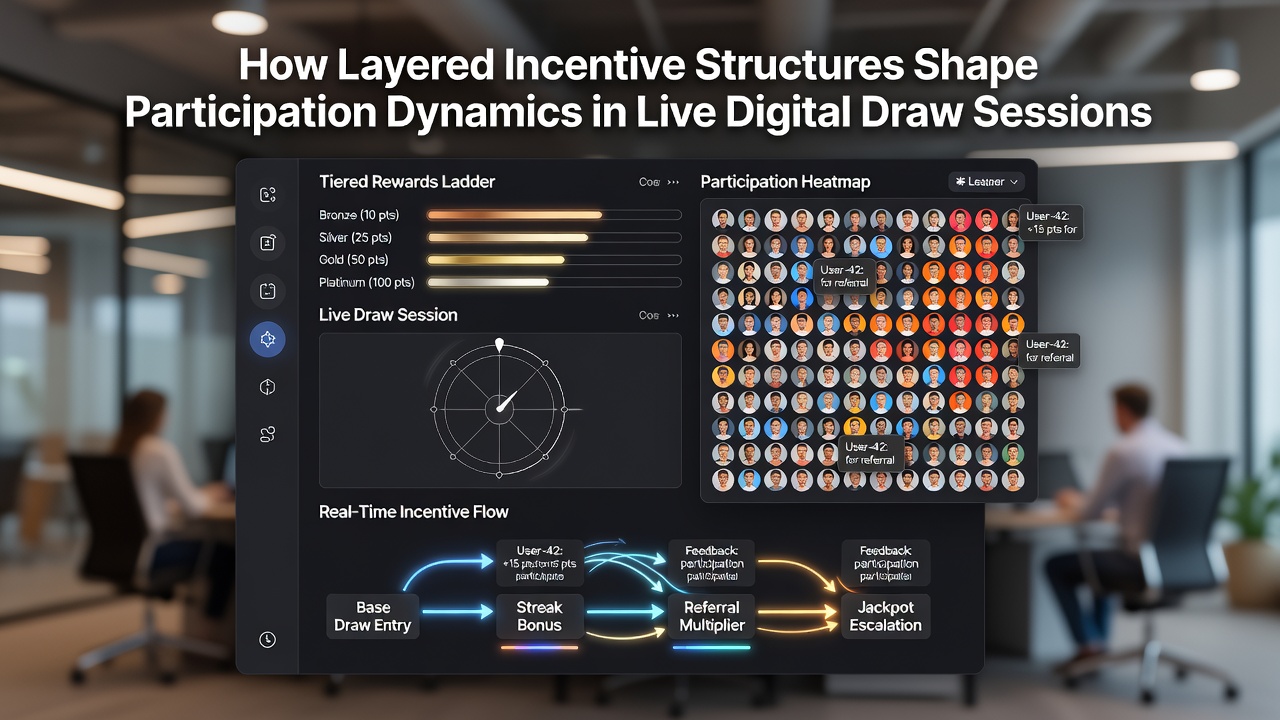
Most layered frameworks rest on three primary layers that operate simultaneously. The first layer delivers immediate feedback through instant credits applied after each completed draw round. The second layer aggregates activity across days or weeks to unlock personalized multipliers that increase potential payouts. The third layer incorporates community or referral elements where group achievements unlock shared bonuses for all qualifying accounts.
Figures released by platform analytics providers in July 2026 showed that accounts progressing through at least two layers maintained an average of 3.2 sessions per week compared with 1.7 sessions among single-layer participants. Operators adjust the spacing between tiers based on historical engagement curves so that the jump to the next reward feels attainable yet requires deliberate effort.
Observed Shifts in Participation Timing
Live digital draws follow fixed broadcast schedules, and incentive layering influences when users choose to join those windows. Early-bird credits that expire after the first thirty minutes of a session draw participants toward opening rounds, whereas end-of-week bonus multipliers encourage users to return for later broadcasts even when earlier slots remain available.
One analysis of transaction logs from multiple platforms revealed that the introduction of a three-tier loyalty ladder increased the proportion of users completing draws during off-peak evening hours by 18 percent within the first quarter of implementation. Participants who already held mid-tier status showed the strongest response because missing a scheduled round risked losing streak-based multipliers.
Retention Patterns Across Geographic Markets
Operators in North American and European markets apply similar structural principles yet calibrate reward spacing according to local regulatory limits on prize values and session frequency. Reports compiled by the Pennsylvania Gaming Control Board track how tiered loyalty programs correlate with monthly active user counts in licensed digital draw environments. Parallel data sets maintained by the Australian Gambling Research Centre examine how incentive density affects churn rates among users who access synchronized draws from mobile devices.
Observers tracking both regions find that platforms offering four or more distinct incentive layers experience slower attrition after the initial thirty-day period, although the absolute number of new registrations does not always increase proportionally. The retention advantage appears strongest among users who previously showed irregular attendance patterns before entering the tiered system.
Interaction Between Incentives and Platform Features
Live chat functions, real-time result animations, and deposit timing options interact with layered rewards to shape overall session flow. When bonus multipliers apply only to draws conducted within a narrow time band, participants coordinate deposits and entries to align with those windows. Platform logs indicate that the combination of chat-enabled social features and tier-progress indicators produces longer average dwell times than either element alone.
Studies conducted by academic teams at institutions monitoring digital entertainment consumption have documented that users frequently reference their current tier status during live sessions, which suggests the visible progression markers serve as ongoing prompts to remain connected until the next reward threshold becomes reachable.
Conclusion
Layered incentive structures continue to evolve as operators refine the spacing and visibility of rewards based on aggregated participation data. Evidence gathered through regulatory reporting and platform analytics demonstrates consistent associations between tier progression and extended engagement intervals in synchronized digital draw environments. These patterns hold across multiple jurisdictions even as specific reward values adjust to comply with local rules. Future monitoring will likely focus on how emerging technologies alter the speed at which participants move between layers and whether new structural variations produce different retention outcomes.