Interface Customizations and Their Impact on User Engagement in Online Number Matching Systems
Hugo Weber · Jun 28, 2026
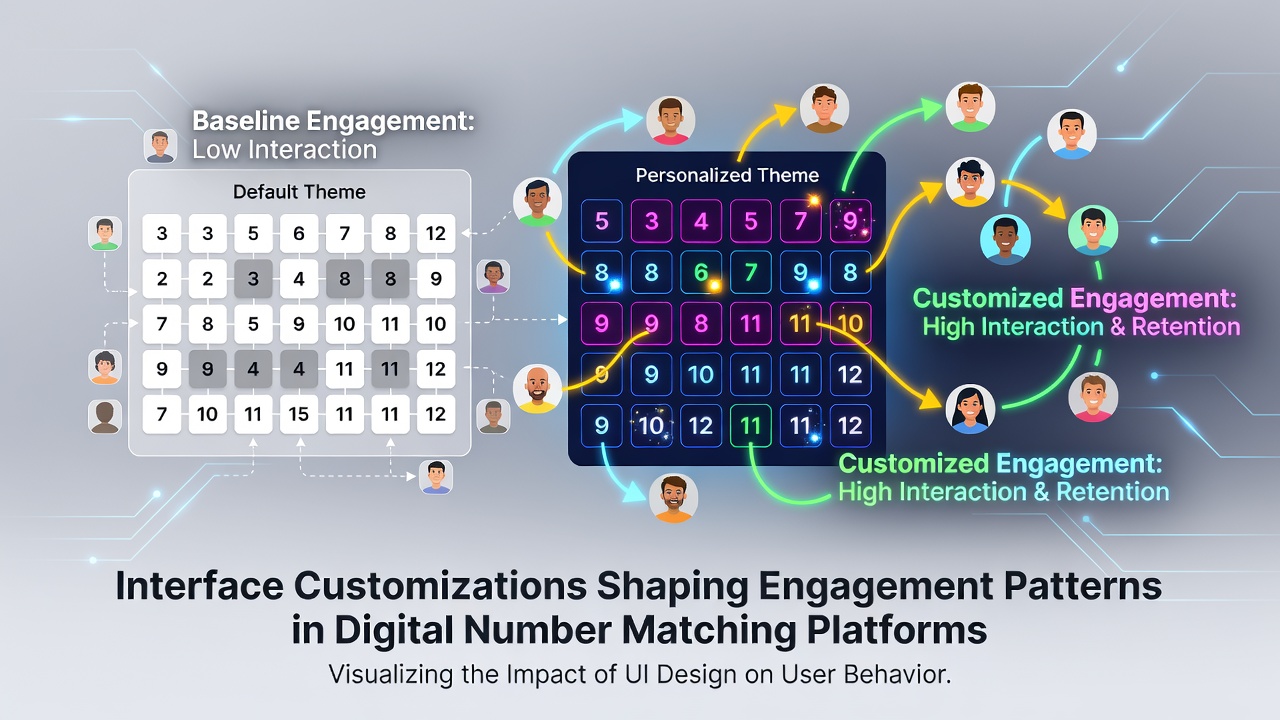
Interface Customizations and Their Impact on User Engagement in Online Number Matching Systems
Digital number matching platforms rely on interface customizations to influence how users interact with core mechanics such as number selection and result tracking, and data from industry reports shows that these adjustments directly correlate with changes in session duration along with repeat visit rates. Observers note that platforms offering theme selections, adjustable layouts, and personalized color schemes experience measurable shifts in participation patterns, particularly when users can modify visual elements to suit individual preferences without altering the underlying game structure.
Research from the New Jersey Division of Gaming Enforcement indicates that platforms incorporating modular interface elements recorded average session increases of 22 percent during the first half of 2026, and this trend continued into June when operators introduced additional font scaling options alongside dark mode toggles. Those who've studied user behavior in similar environments point out that such features reduce visual fatigue while encouraging longer periods of continuous interaction, since participants adjust displays to match their device settings or lighting conditions.
Layout Flexibility and Participation Metrics
Layout options allow users to rearrange number grids, chat panels, and progress indicators, and evidence from platform analytics reveals that drag-and-drop customization leads to higher completion rates for multi-round sessions. Experts have observed that when interfaces permit repositioning of key elements, users report fewer navigation errors, which in turn supports sustained engagement without the interruptions that occur on fixed designs. Data shows platforms with these tools maintained retention levels above industry averages through spring and early summer 2026, whereas rigid layouts saw steeper drop-offs after initial trials.
One case study examined a mid-sized operator that rolled out grid resizing controls in March 2026, and results demonstrated a 15 percent rise in daily active users by June as participants experimented with compact views for mobile devices or expanded grids on larger screens. Researchers discovered that these adjustments aligned with device usage patterns, since many users switched between tablets and phones throughout the day, and the ability to adapt the interface reduced friction during those transitions.
Color Schemes, Themes, and Behavioral Shifts
Color and theme customizations extend beyond aesthetics because they affect readability and emotional response during number matching sequences, and studies indicate that users who select high-contrast palettes complete more rounds per session compared with those on default settings. Platforms that integrated seasonal or event-based themes around June 2026 reported temporary spikes in engagement, particularly when themes coincided with holidays or local events that encouraged social sharing among players.
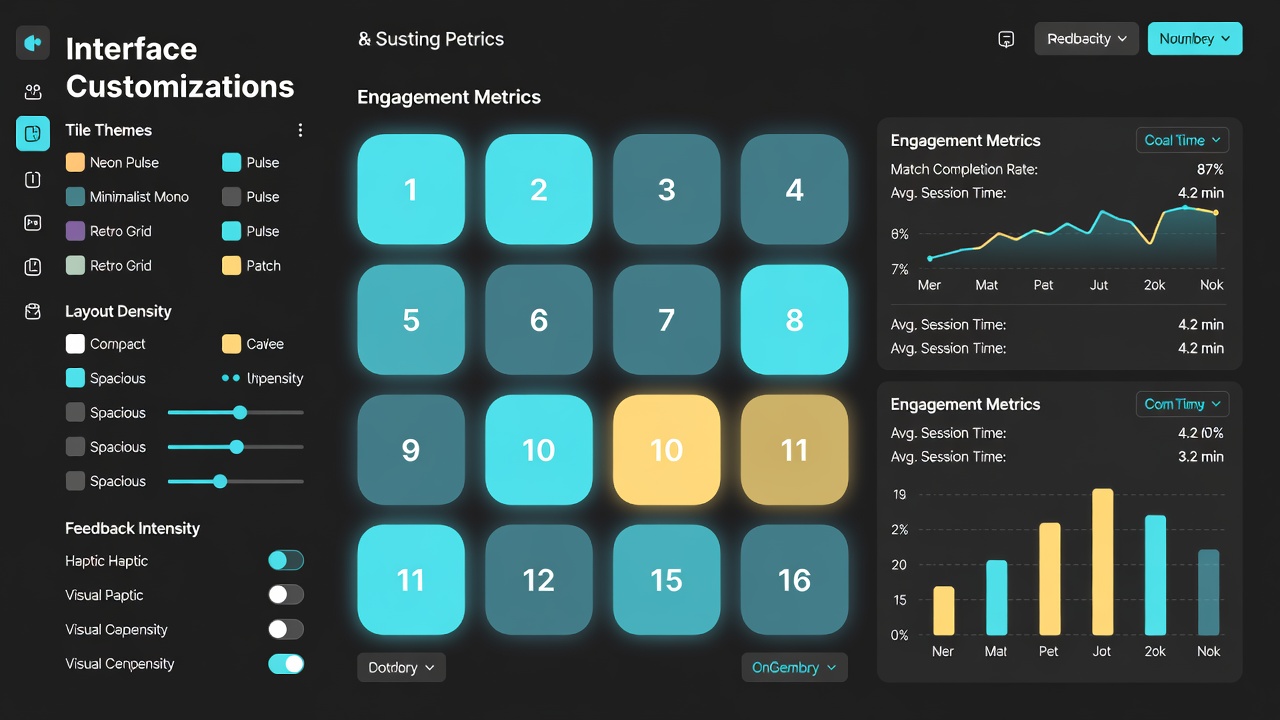
What's interesting is how these visual tweaks connect to broader accessibility goals, since options for colorblind-friendly palettes and reduced animation modes have expanded the user base according to reports compiled by the Canadian Gaming Association. Observers note that platforms providing these choices saw increased participation from demographics previously underrepresented in digital number activities, and the resulting diversity in engagement patterns helped stabilize overall activity levels during periods of market fluctuation.
Real-Time Adjustments and Session Continuity
Real-time customization tools enable users to switch between interface modes without restarting sessions, and this capability has proven effective at maintaining momentum during extended play periods. Figures from operator dashboards reveal that seamless mode changes, such as toggling between simplified and detailed views, correlate with fewer abandoned sessions, especially on platforms that track user adjustments over multiple visits. Those who've analyzed longitudinal data note that returning users often refine their setups incrementally, leading to personalized interfaces that evolve with individual habits rather than remaining static.
Academic research conducted at Monash University examined how iterative customizations influence decision-making speed in number selection tasks, and findings suggest that users who frequently tweak elements develop faster response times while maintaining accuracy. This pattern held across tested age groups, although younger participants tended to favor animated overlays whereas older cohorts preferred minimalistic layouts with larger touch targets.
Conclusion
Interface customizations continue to shape engagement patterns in digital number matching platforms through measurable effects on session length, retention, and demographic reach, as evidenced by regulatory filings and academic analyses up to June 2026. Platforms that prioritize flexible design elements position themselves to adapt alongside evolving user expectations, and ongoing data collection will likely refine understanding of which specific adjustments yield the strongest behavioral outcomes across different regions and device types.