Layered Reward Systems in Unified Bingo Platforms
Zoe Becker · Jun 7, 2026
Layered Reward Systems in Unified Bingo Platforms
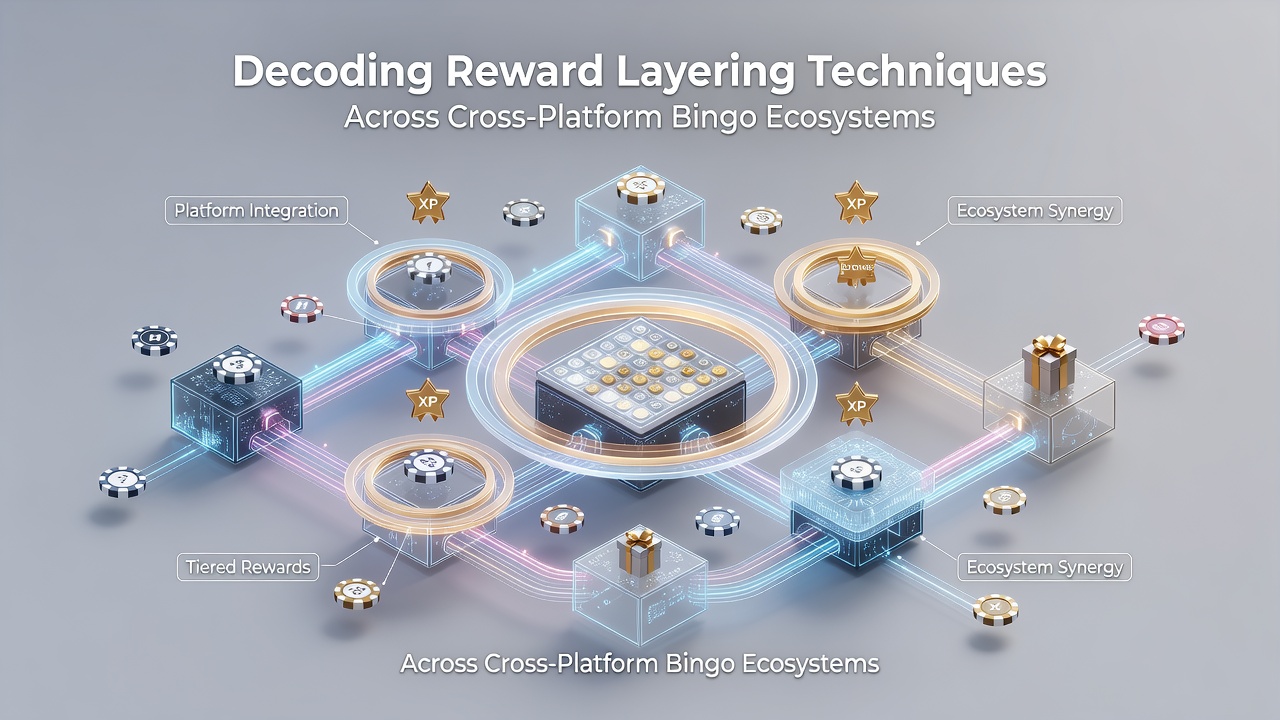
Operators have developed intricate systems that stack multiple incentive tiers within bingo networks spanning mobile apps, desktop interfaces, and physical venues, and these structures allow points earned on one platform to convert into bonuses on another while maintaining separate tracking for each layer.
Core Components of Reward Layering
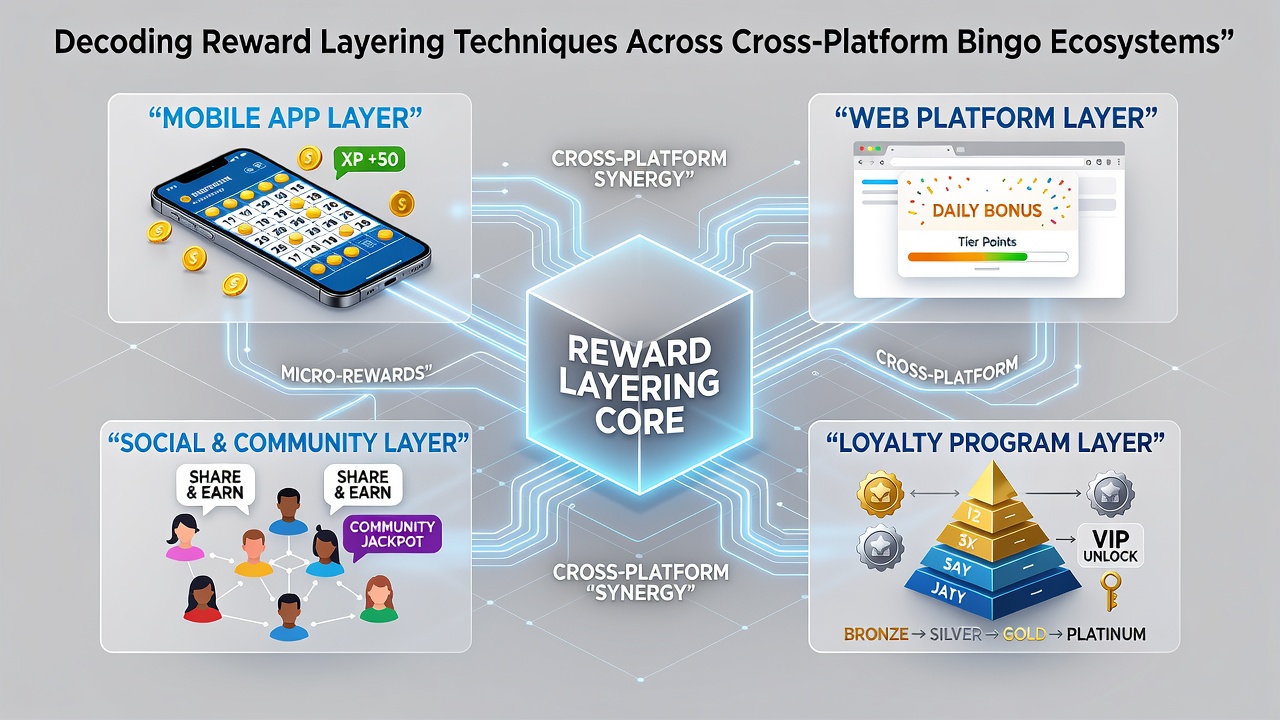
Base layers typically award immediate credits for participation such as ticket purchases or session completion, yet secondary tiers accumulate loyalty points that unlock personalized multipliers after thresholds are met, and tertiary layers introduce time-limited events that combine progress from all sources into temporary jackpot boosts.
Research from the Nevada Gaming Control Board shows how these stacked mechanisms track player activity through centralized databases that sync in real time across environments, while data indicates that conversion rates between layers vary by platform due to differing regulatory requirements in each jurisdiction.
Integration Across Devices and Venues
Cross-platform ecosystems rely on unified player profiles that merge activity logs from smartphones, tablets, and land-based terminals into single accounts, and this setup permits rewards earned during a live hall session to appear as digital credits within an app within minutes of verification.
Systems often employ API connections between providers to handle the flow of layered incentives without duplication, whereas separate ledgers for each reward type prevent overlap yet allow users to select which layer to activate during play, and observers note that June 2026 updates to several major networks refined these connections to reduce latency during peak hours.
Technical Implementation Patterns
Developers code algorithms that prioritize lower layers first before unlocking higher ones based on cumulative spend or frequency, and this sequencing creates progression paths that encourage sustained engagement across multiple access points. One study revealed that platforms using weighted algorithms for layer progression report steadier retention metrics compared with flat reward models, while industry reports from the Canadian Gaming Association highlight how encryption protocols protect the integrity of these layered calculations during transfers between systems.
Additional techniques include event-triggered overlays that add temporary multipliers to existing layers during promotional windows, and these overlays draw from a shared pool funded by operator contributions plus player activity fees. Figures from regulatory filings demonstrate consistent application of such overlays across North American and European networks, although exact allocation percentages differ by market.
Examples from Operational Networks
Take one network operating in multiple states that applies a three-tier model where daily login rewards form the foundation, weekly challenges build the middle layer, and monthly leaderboard standings activate the top tier with cash-equivalent prizes. Players who engage on mobile during commuting hours often see their accumulated points convert automatically when they switch to a desktop session later the same day.
Another case involves hybrid operators linking physical bingo halls with virtual rooms through a single loyalty card system, and here the layering process assigns higher point values to in-person play while still crediting mobile participation at a reduced rate to balance overall incentives. Data from these setups shows synchronized reward delivery occurs within defined time windows to maintain fairness across all participants.
Regulatory Considerations in Layer Management
Authorities in various regions require transparent disclosure of how layers interact and convert, and this includes clear rules on expiration dates and transfer limits between platforms. The Victorian Commission for Gambling and Liquor Regulation in Australia has documented standards that mandate audit trails for every layer transition, ensuring operators maintain verifiable records of all point movements and bonus issuances.
Compliance teams routinely test these systems for equitable distribution, while academic analyses from research institutions have examined the statistical outcomes of layered rewards on player behavior patterns without identifying any single dominant strategy across markets.
Conclusion
Layered reward techniques continue to evolve as bingo ecosystems expand their reach across devices and physical locations, with operators refining synchronization methods and conversion rules to align with both player expectations and oversight requirements. Continued monitoring by regulatory bodies and ongoing technical adjustments support the stable operation of these multi-tier structures in diverse environments.