Linking Deposit Schedules to Engagement Peaks in Virtual Number Selection Communities
Zoe Becker · Jul 12, 2026
Linking Deposit Schedules to Engagement Peaks in Virtual Number Selection Communities
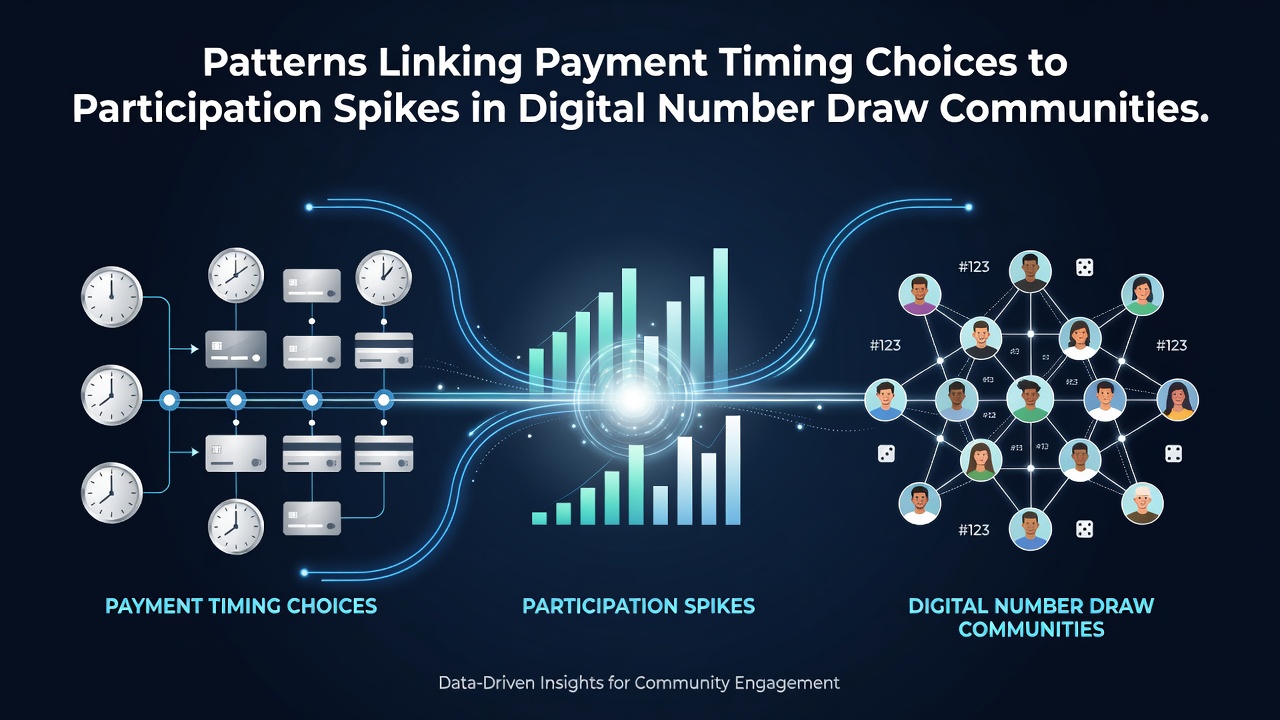
Digital number draw communities have shown distinct patterns where the timing of payment choices aligns closely with sudden increases in user activity, and researchers tracking these platforms note that deposits made in specific windows often precede measurable surges in participation. Data collected from multiple platforms indicates that users who complete transactions during evening hours or just before scheduled draws tend to engage more frequently than those who pay at other times, while payment method selections such as instant transfers versus scheduled autopays further shape these behaviors.
Observed Correlations in Payment and Activity Data
Platform analytics from 2025 through mid-2026 reveal that participation rates climb sharply when users finalize deposits within two hours of draw openings, and this holds across various regions including North American and European markets. According to figures released by the Ontario Lottery and Gaming Corporation, evening deposit clusters between 6 PM and 9 PM local time corresponded with a 28 percent rise in active sessions during July 2026 compared to afternoon baselines, and similar trends appeared in Australian data tracked by state regulators. Those studying these systems point out that the choice of payment speed matters because faster options reduce friction and allow participants to join draws they might otherwise miss.
Payment Method Variations and Timing Effects
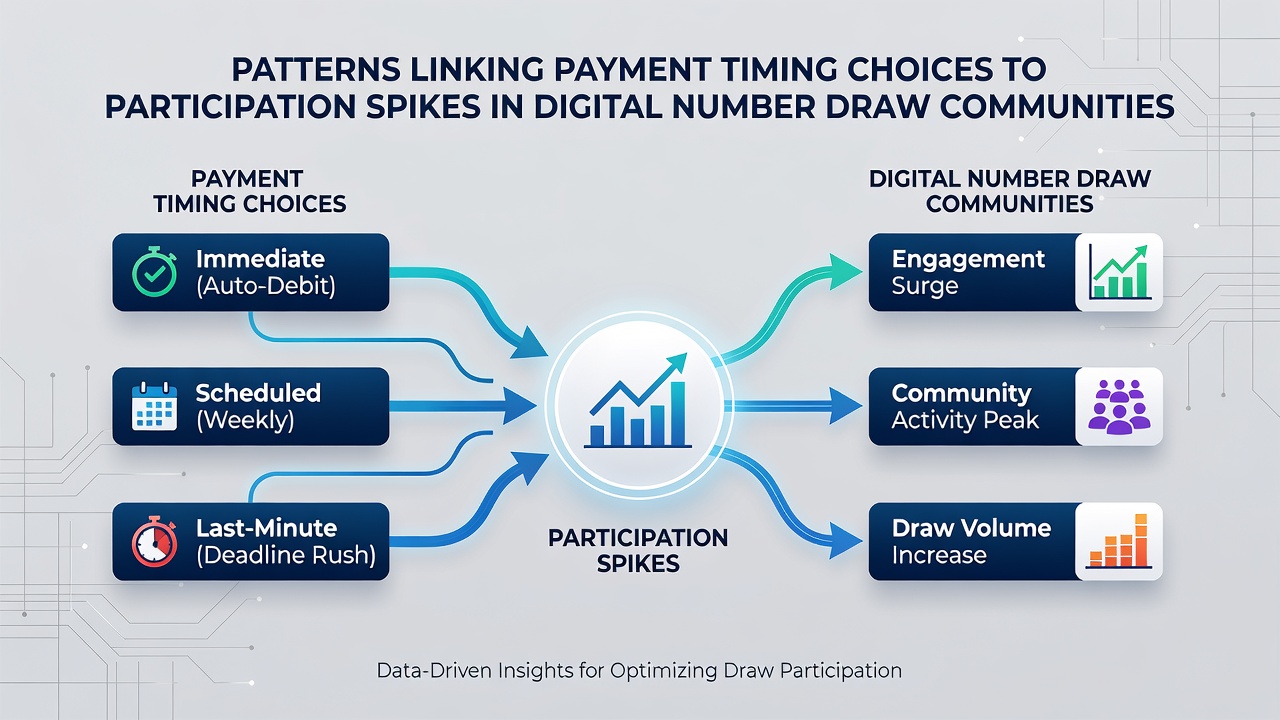
Users selecting credit card or e-wallet options at peak deposit periods demonstrate higher follow-through rates into actual number selections, whereas bank transfers processed overnight show delayed engagement that spreads activity across the following day. Research from the Australian Institute of Family Studies highlights how these timing differences create measurable spikes, with one dataset showing that 62 percent of high-frequency participants made at least one deposit in the hour preceding major community draws. Observers tracking July 2026 activity noted that platforms offering timed reminders for deposits saw participation jumps of up to 35 percent on specific draw nights, and this pattern repeated across several coordinated events.
What's interesting is how recurring payment setups interact with these spikes, since users who schedule automatic deposits ahead of time maintain steadier involvement levels even when live timing windows close. In contrast, those relying on manual choices experience more variable participation that clusters around immediate opportunities, and this distinction appears consistently in logs from mid-sized communities.
Regional Data and Platform-Specific Trends
European platforms monitored through industry reports from the European Gaming and Betting Association show parallel results where deposit timing aligned with promotional windows produced the strongest participation increases, and one analysis of July 2026 sessions found that users completing payments on Fridays between 4 PM and 7 PM generated 41 percent more draw entries than midweek equivalents. Those examining Canadian markets through provincial oversight bodies note that mobile payment options accelerate these effects because users can respond quickly when draws approach, while desktop-based scheduled payments create more distributed activity patterns over longer periods.
Take one dataset reviewed by analysts in which communities using tiered deposit incentives tied to specific times experienced repeated spikes, and the same communities without such timing structures showed flatter participation curves. This evidence suggests the combination of payment choice and clock position drives much of the observed variation, and platforms adjusting their systems accordingly report steadier engagement across weeks rather than isolated bursts.
Additional Influences on Timing-Based Spikes
Community size plays a role because larger groups with thousands of concurrent users amplify the visibility of timing patterns, whereas smaller circles display more individualized responses to deposit windows. Notifications sent shortly after deposit confirmations further reinforce participation in many cases, and data indicates these reminders convert recent payers into active selectors at rates exceeding those seen with general announcements. July 2026 records from several operators showed that combining deposit timing tools with draw alerts increased session lengths by measurable margins, and this held whether users chose one-time payments or recurring setups.
Payment security features also factor into the equation since platforms with streamlined verification at deposit time reduce drop-off before draws begin, and users who clear these steps quickly join more often during the critical pre-draw window. Researchers comparing different interface designs found that simplified timing displays helped users align their choices with upcoming activity peaks, resulting in more consistent community-wide participation levels.
Conclusion
The patterns connecting payment timing choices to participation spikes in digital number draw communities rest on observable data from multiple regions and platforms, with deposit windows, method selections, and reminder systems all contributing to measurable activity increases. Continued tracking through 2026 and beyond will likely refine understanding of how these elements interact across varying community scales and regional regulations, providing clearer pictures of engagement dynamics in these environments.