Notification Timing Patterns Shaping Participation in Live Digital Number Draw Groups
Zoe Becker · Aug 19, 2026
Notification Timing Patterns Shaping Participation in Live Digital Number Draw Groups
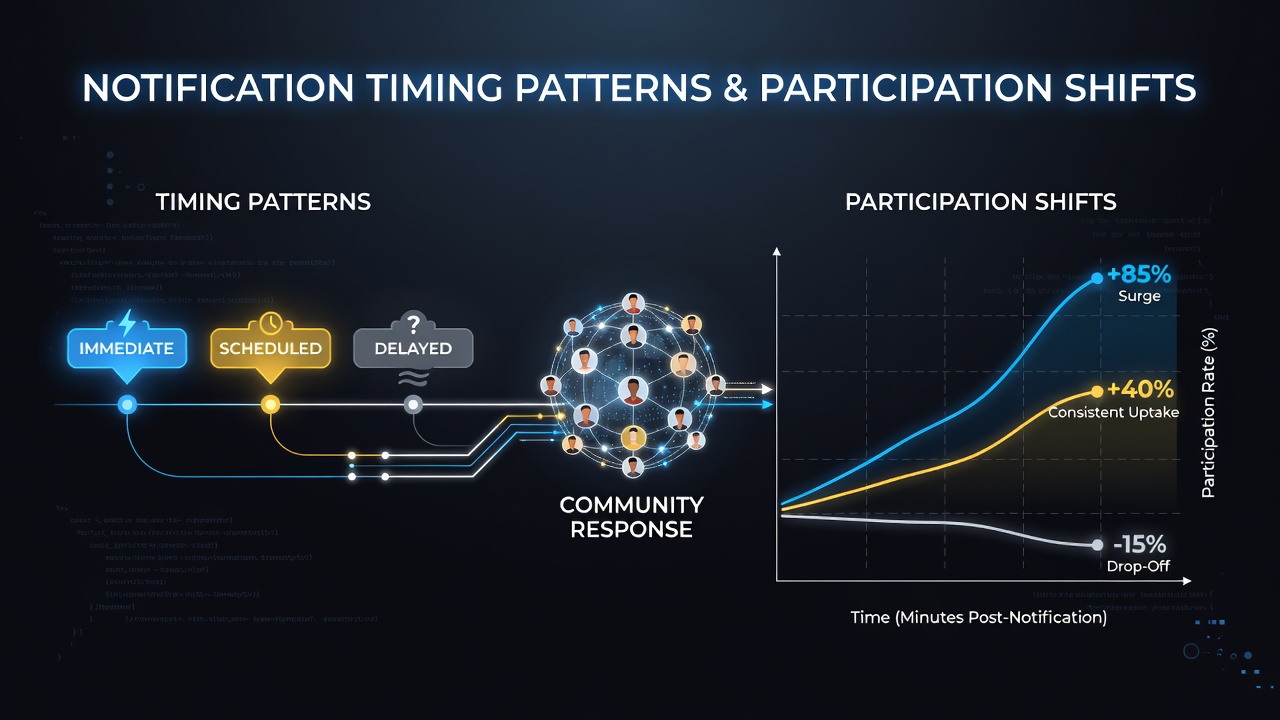
Notification timing patterns have emerged as a key factor in how users interact with live digital number draw communities, where real-time alerts influence when participants join sessions and how long they remain active. Data from platform analytics shows that messages sent during evening hours often coincide with higher login rates, while those delivered in the early afternoon draw fewer responses in certain regions. Researchers tracking activity logs across multiple services have observed that clusters of notifications spaced 30 to 45 minutes apart tend to sustain longer engagement periods compared to immediate back-to-back sends.
Core Mechanisms Behind Alert Delivery
Live digital number draw platforms rely on automated systems that schedule push notifications, email reminders, and in-app prompts based on user history and peak activity windows. Studies conducted by academic teams at institutions focused on digital behavior indicate that alerts arriving just before a draw starts can trigger immediate logins, whereas those sent hours in advance allow users to plan participation around other commitments. Observers note that platforms adjust these schedules seasonally, with adjustments made in August 2026 reflecting shifts in user routines during summer months across North American and European markets.
One analysis of participation metrics revealed that notifications timed to coincide with local news cycles or popular television breaks produced measurable upticks in concurrent users. Platforms using machine learning to refine send times reported sustained increases in session durations, particularly when reminders aligned with recurring draw schedules rather than random intervals. Those who monitor these systems point out that over-saturation of alerts within short windows correlates with temporary dips in return visits the following day.
Observed Shifts in User Activity Levels
Participation shifts become evident when notification patterns change abruptly, such as moving from morning-heavy schedules to evening-focused ones. Figures compiled by industry tracking services show that communities experimenting with staggered alerts experienced redistribution of peak attendance from weekdays to weekends in several documented cases. Users who previously joined sporadically began forming consistent attendance patterns once reminders arrived at predictable intervals tailored to individual time zones.
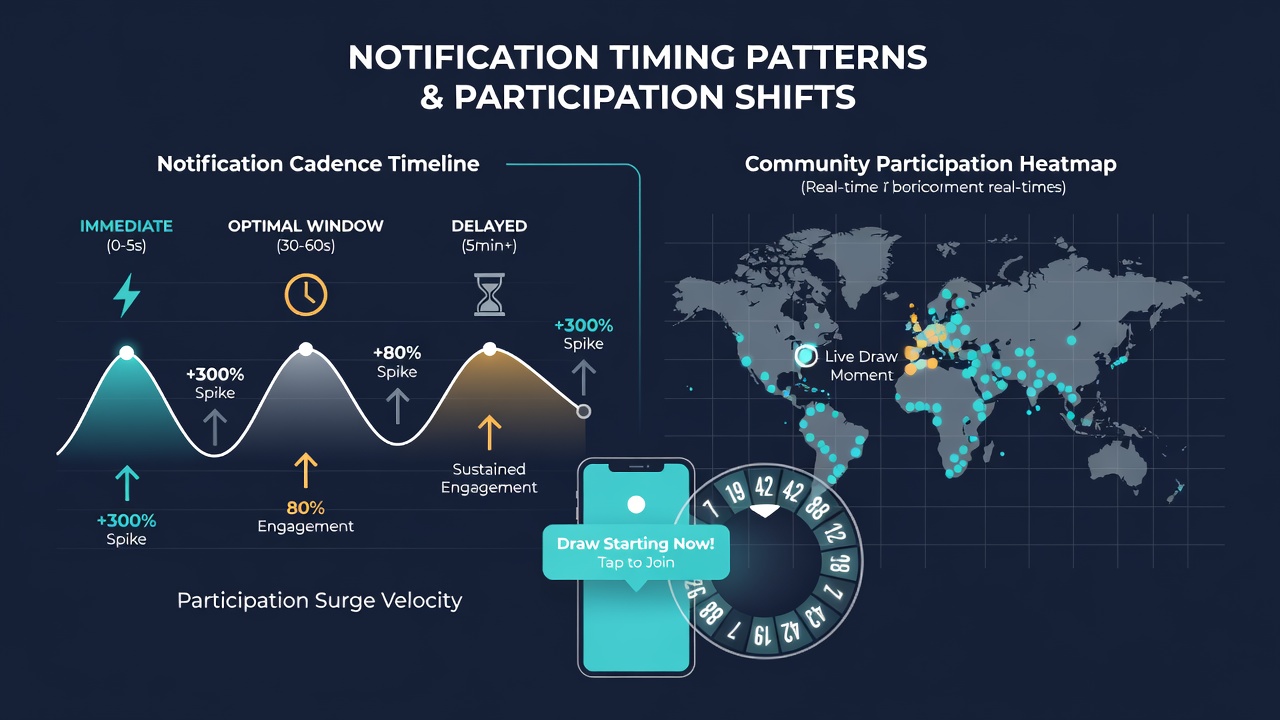
Canadian Gaming Association reports highlight similar trends in synchronized draw environments, where timing adjustments led to broader geographic participation as alerts reached users in different provinces at locally relevant hours. A separate examination by researchers affiliated with the University of Nevada, Las Vegas documented how brief delays between successive notifications allowed participants to complete other tasks without losing momentum, resulting in higher completion rates for multi-round events. These patterns suggest that thoughtful spacing supports retention without overwhelming the audience.
Regional Variations and Platform Adaptations
Platforms operating across borders adapt notification timing to account for cultural and regulatory differences in user availability. In markets where evening family time takes precedence, alerts scheduled after 8 p.m. local time have shown stronger conversion to active sessions. Australian regulatory summaries from gaming oversight bodies note parallel findings, with data indicating that weekend morning notifications underperform relative to those delivered mid-afternoon when users report higher mobile engagement.
Communities centered on number draws have incorporated feedback loops that refine timing based on open rates and subsequent activity. When one service shifted its primary reminder window by two hours in response to aggregated user data, overall concurrent participation rose steadily over subsequent weeks. Observers tracking these adjustments emphasize that success depends on consistent application rather than frequent experimentation, as abrupt changes can temporarily disrupt established routines.
Conclusion
Notification timing patterns continue to influence how participation distributes across live digital number draw communities, with evidence from multiple sources confirming that deliberate scheduling affects both entry points and session longevity. Platforms that integrate regional data and user feedback into their alert systems demonstrate measurable differences in attendance curves compared to those relying on uniform delivery. As services refine these approaches through ongoing analysis, the connection between alert cadence and user behavior remains a central element in operational planning for the sector.