Patterns of Engagement Linked to Diverse Transaction Methods in Portable Bingo Environments
Hugo Weber · Aug 7, 2026
Patterns of Engagement Linked to Diverse Transaction Methods in Portable Bingo Environments
Understanding Transaction Diversity in Mobile Bingo Settings
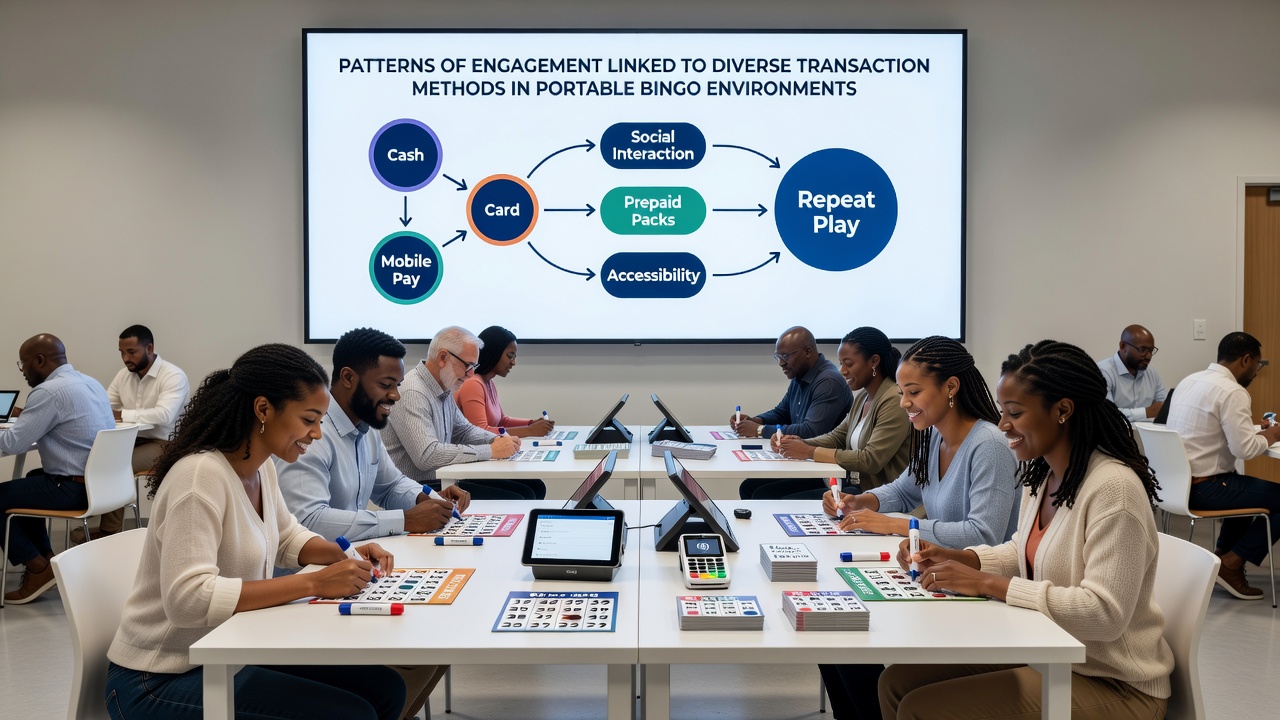
Portable bingo environments rely on various transaction methods that shape how participants interact with platforms throughout extended sessions, and researchers have tracked these connections across multiple markets since the expansion of mobile gaming infrastructure. Credit and debit card payments continue to dominate initial deposits in many regions because they integrate directly with existing banking apps, yet data from industry reports shows that users often switch to digital wallets once they complete their first few transactions. E-wallets such as PayPal and similar services reduce processing delays to under thirty seconds in most cases, which correlates with longer average session durations according to aggregated platform analytics.
Bank transfers and prepaid card options appear less frequently in daily engagement metrics, although they serve specific user groups who prioritize higher spending limits over speed. Observers note that platforms offering instant confirmation for these slower methods still record steady repeat activity from a smaller but consistent segment of players. Cryptocurrency transactions have gained measurable traction in jurisdictions where regulatory frameworks permit them, and figures from August 2026 indicate that adoption rates rose by approximately twelve percent in select North American markets during that period.
Engagement Metrics Across Payment Categories
Studies conducted by academic research teams reveal distinct patterns when comparing engagement levels tied to each transaction type. Instant payment methods tend to produce higher frequency of logins within a twenty-four-hour window, while methods requiring manual approval show peaks during evening hours when users have more time to complete verification steps. One analysis of mobile bingo participation data demonstrated that wallet-based deposits coincided with a twenty-eight percent increase in number of rounds played per session compared to card-only users.
Those who study these environments point out that fee structures attached to certain methods influence how often participants return. Low or zero-fee options encourage smaller but more regular deposits, whereas higher-fee premium methods correlate with occasional larger transactions spaced further apart. Platforms that display real-time fee comparisons within their interfaces see users experimenting across multiple methods within the same month, a behavior documented in several longitudinal tracking studies.
Regional Variations and Regulatory Influences
Geographic differences emerge clearly when transaction data is segmented by regulatory environment. In markets overseen by the New Jersey Division of Gaming Enforcement, mobile bingo platforms report stronger retention among users who begin with card payments and later migrate to approved e-wallets. Australian regulatory reports highlight how mandatory cooling-off periods attached to certain deposit methods alter daily engagement curves, creating predictable dips followed by renewed activity once restrictions lift.
Canadian provincial data released in mid-2026 showed that integrated banking apps reduced friction for users in remote areas, leading to broader participation across age groups that previously favored desktop access. European operators subject to varying national rules demonstrate that harmonized payment standards increase cross-border engagement when transaction methods remain consistent for travelers using the same portable devices.
Behavioral Shifts Observed in August 2026
Platform operators recorded notable shifts during August 2026 when several mobile bingo environments introduced new multi-method dashboards. Users who previously relied on a single transaction type began testing alternatives at higher rates, and session length data reflected modest gains across all categories. Research institutions tracking these changes found that visual indicators of successful transactions encouraged continued play within the same hour, regardless of the underlying payment rail.
Security features embedded in newer wallet integrations also contributed to sustained activity, because fewer interruptions occurred during deposit confirmation. Those monitoring user flows note that seamless authentication across devices helped maintain momentum for players who moved between home networks and mobile data connections throughout the day.
Linking Transaction Speed to Participation Frequency
Evidence suggests that the time elapsed between initiating a deposit and receiving playable funds directly affects how many distinct sessions a user completes within a week. Faster methods support spontaneous engagement during brief windows of availability, such as commutes or lunch breaks, while slower options align better with planned evening participation. Industry associations have compiled comparative tables showing that platforms optimizing for sub-minute processing retain higher percentages of first-time depositors through their second and third weeks of activity.
Additional findings indicate that users appreciate transparent progress indicators during any method that takes longer than average. These visual cues appear to lower abandonment rates and support the transition to repeated engagement patterns observed in longitudinal datasets.
Conclusion
Transaction method variety continues to intersect with engagement patterns in measurable ways across portable bingo environments. Data compiled from regulatory bodies, academic studies, and platform analytics demonstrates consistent relationships between processing speed, fee visibility, and session characteristics. As new options enter the market and existing ones refine their interfaces, researchers expect further refinement of these observed connections without dramatic departures from current trends.