Tracing Mobile Technology's Influence on Classic Bingo Gatherings
Zoe Becker · May 31, 2026
Tracing Mobile Technology's Influence on Classic Bingo Gatherings
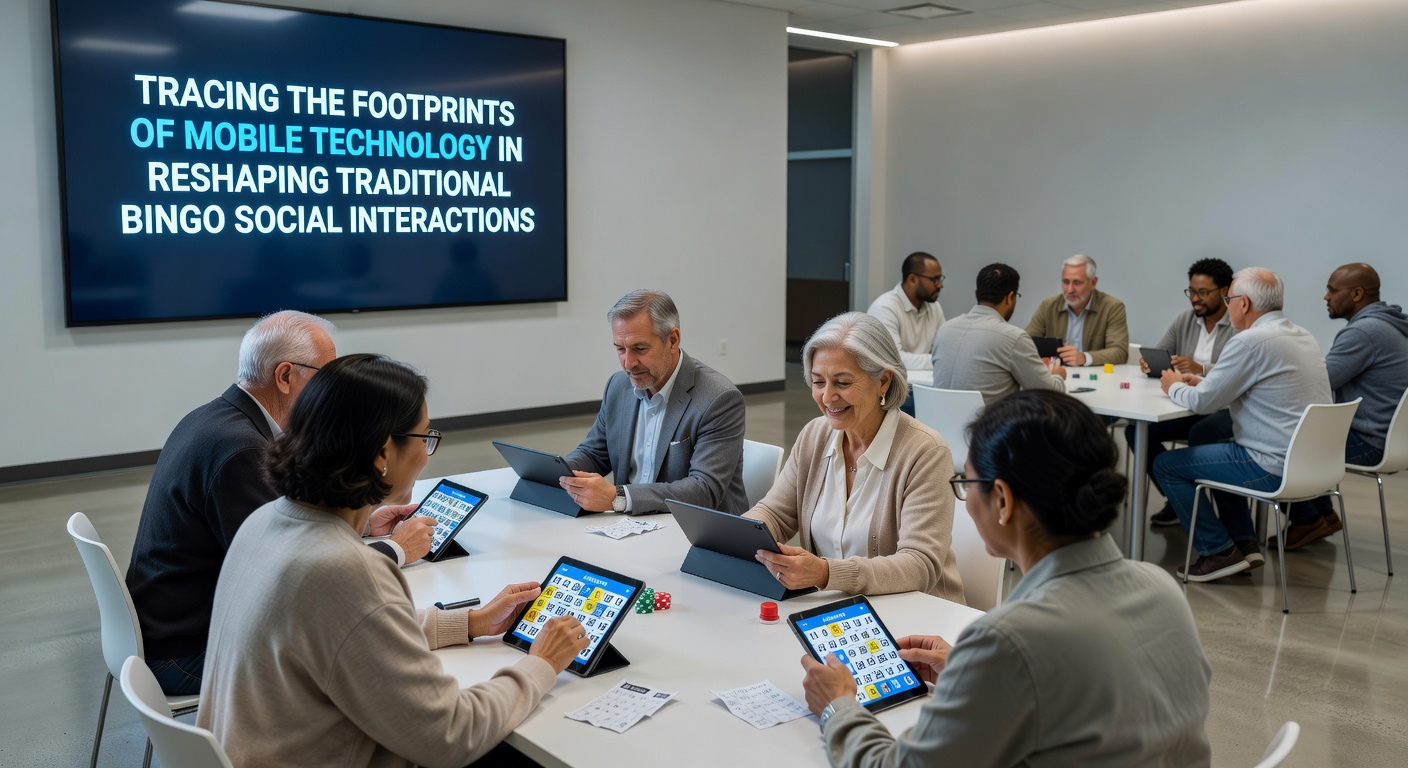
Traditional bingo halls once served as central points for community interaction where participants gathered weekly to share numbers, stories, and local news during games that lasted several hours, yet mobile technology has introduced new layers to these social patterns since the early 2010s when smartphone adoption accelerated across multiple regions.
Research from industry tracking organizations shows that mobile applications now allow users to join bingo sessions from various locations while maintaining elements of group participation through chat features and live updates that replicate some aspects of physical halls, although the dynamics differ in pace and scale.
Early Shifts in Participation Methods
Observers note that initial mobile bingo platforms emerged around 2012 in markets like the United States and Australia where regulatory frameworks permitted digital versions, and these tools connected players who previously relied on printed cards and verbal calls from hall operators, which created opportunities for remote involvement while preserving real-time number announcements via app interfaces.
Data indicates that by 2018 smartphone penetration reached over 80 percent in many developed economies according to reports from communications authorities, and this growth coincided with bingo operators integrating location-based notifications that alerted users to nearby events or online draws, thereby blending physical and digital attendance in ways that expanded reach beyond fixed venues.
Changes to Group Dynamics and Communication
Players who once formed tableside conversations during intermissions now exchange messages through in-app forums that operate continuously, which sustains interactions across time zones yet reduces the spontaneous exchanges that characterized hall environments where neighbors discussed family matters between rounds, and studies from academic sources highlight how these digital channels foster extended networks among participants who share strategies or celebrate wins collectively.
What's interesting is that hybrid models have gained traction in places such as Canada where provincial gaming commissions track usage patterns, with figures revealing that mobile-integrated bingo events in May 2026 drew increased participation from rural areas that previously faced transportation barriers to urban halls, allowing broader inclusion through synchronized online and in-person options that maintain shared prize pools.
Impact on Venue-Based Communities
Traditional bingo operators have responded by installing Wi-Fi systems and offering companion apps that let hall attendees follow digital leaderboards alongside physical cards, a practice documented in trade association surveys that show many venues report steady attendance because mobile tools supplement rather than replace on-site gatherings, while data from the Australian Communications and Media Authority points to rising downloads of localized bingo apps that incorporate regional slang and event tie-ins to preserve cultural flavor.
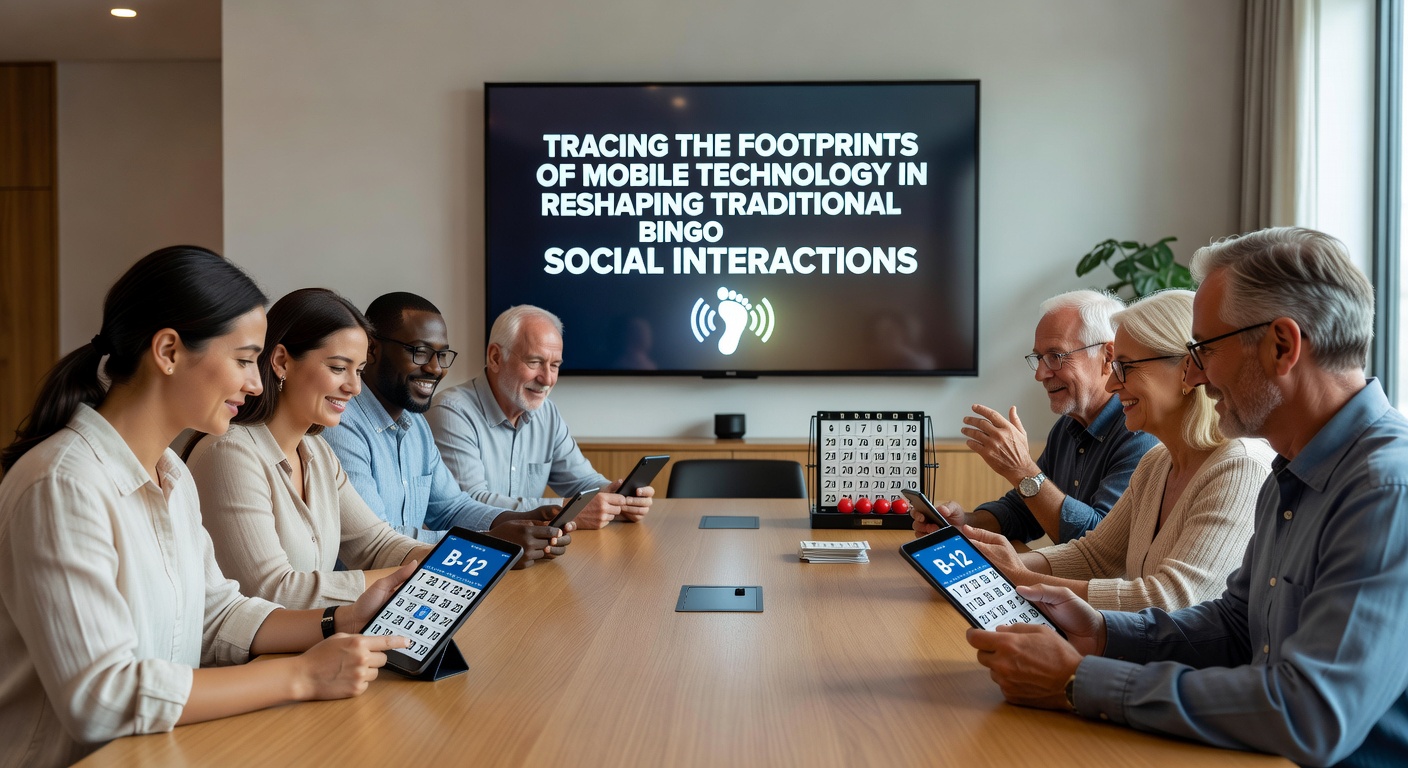
Yet the transition brings adjustments because some long-term participants describe diminished face-to-face bonds when larger portions of play move online, although operators counter this by hosting monthly themed nights that encourage device-free segments to balance the formats, and evidence from university-led research on leisure activities suggests these adaptations help sustain core social benefits like reduced isolation among older demographics who form the majority of regular bingo users.
Broader Trends in Accessibility and Engagement
Accessibility features built into mobile platforms such as voice-guided number calls and adjustable interfaces have drawn new user segments including younger adults and those with mobility considerations, which expands the player base documented in annual reports from groups like the Canadian Gaming Association that note diversified demographics since 2020, and this evolution connects with wider digital inclusion efforts that governments promote through connectivity initiatives.
One study revealed that virtual bingo rooms experienced peak concurrent users during evening hours mirroring traditional peak times, which indicates patterns of habitual engagement persist even as mediums change, while operators leverage analytics to tailor promotions that encourage group challenges where teams compete across app-based leaderboards.
Conclusion
Mobile technology continues to layer additional dimensions onto bingo's social framework by enabling flexible participation that reaches beyond geographic limits, and ongoing developments as of May 2026 reflect steady integration of these tools with established hall operations that together support both continuity and expansion of community ties through measured adaptations rather than wholesale replacement.